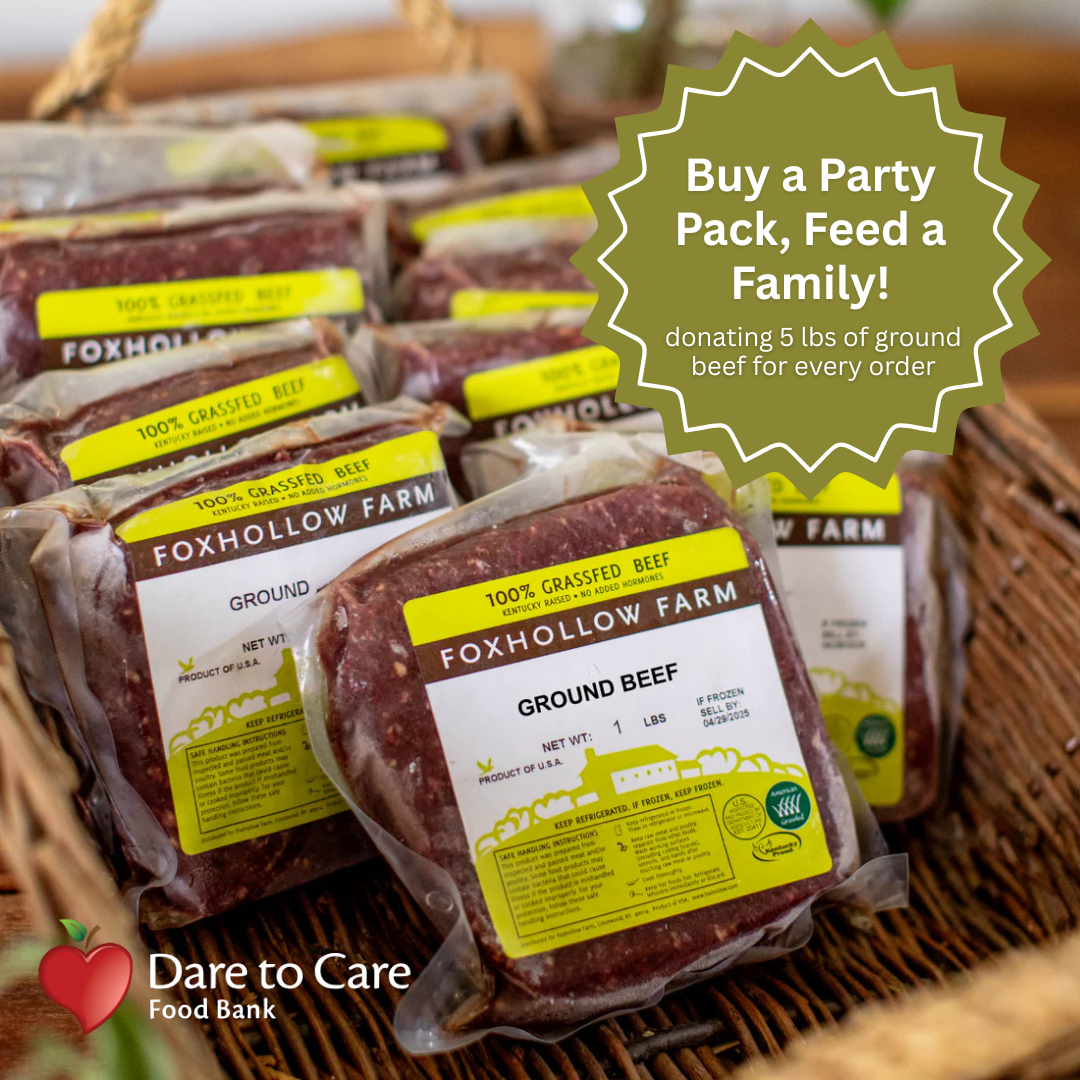
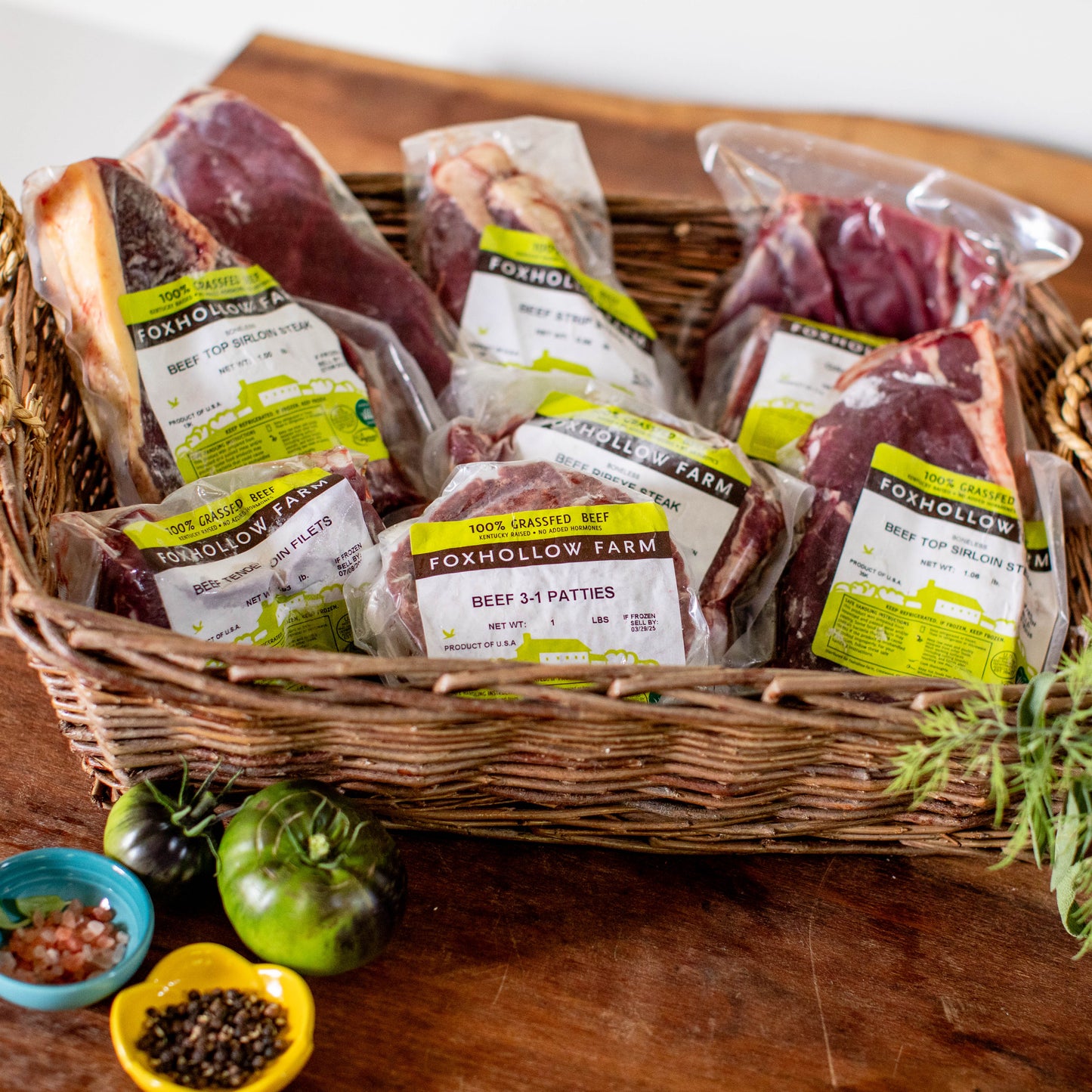
In August 2006 I was settling into my final year at Appalachian State University in Boone, North Carolina, still wiping Kentucky's swampy July air from my brow. I had just returned to the Blue Ridge Mountains after a trip home to Foxhollow Farm as we welcomed the first 30 head of cattle back onto the farm’s rolling pastures.
I was studying business management and entrepreneurship alongside creative writing, holding to my privileged childhood belief that, with hard work, creativity, and a plan, I could do anything. I was sitting at my white oak desk, the windows propped open with books, summer’s earthy air curling their pages. As my computer screen and its blinking cursor stared at me, I was deciding what approach would make up the meat and bones of a looming business plan assignment due for my entrepreneurship class. The plan needed to appeal to my classmates' ethos while simultaneously meeting the standards set by finance majors in my cohort.
To shake off the writer's block, I decided to grab the package that was just delivered to our front stoop. I knew it was a box of books from my mom. The previous shipment of books she’s sent were glowing with highlighter ink:
Agriculture by Rudolf Steiner solidified the idea that bringing animals back onto the farm was essential to converting the farm into a Biodynamic, self-sustaining living organism.
Wendell Berry’s The Unsettling of America opened my eyes to how modern industrial agriculture was destroying the land, and how essential it was that people be reconnected to their food, land, and culture.
And thankfully, there was a bit of a respite when reading Berry’s Hannah Coulter. I was longing for a meaningful life, rooted in place and built on love and local community. Inspiration wasn’t the issue; the bottleneck was in the implementation plan.
I grabbed the knife resting in the pocket of my skinny jeans and cut open the brown box. The menacing table grapes depicted on the front of The Omnivore’s Dilemma by Michael Pollan haunted me, yet within the week, I’d read the entire thing. Pouring over its pages, I wondered why I had never thought about where my food comes from. I thought all cows happily ate grass out on a pasture their whole life. It never occurred to me that they were being shipped all over the country, shoved in confined feed lots, and being treated with disgrace so that we could consume endless amounts of hamburgers.
The book investigates the environmental and health impact of a modern food crisis rooted in a corrupt Farm Bill that was built to disconnect the people growing our food in the countryside from the governing city folk. Pollan’s research featured a grass-farming steward, Joel Salatin of Polyface Farm. Salatin’s rotational grazing methods offered a real-life entrepreneurial example of a diversified farm, and the symbiotic dance depicted on that farm gave me hope. Polyface Farm was building a community of agrarians and operating at a profit, which meant that good farming practices and local markets offered families and restaurants means to prepare nutrient-dense foods while supporting farmers at the same time.
My mom had the vision to convert our farm from a three-crop rotation farm into a Biodynamic farm community, but we needed a framework. We needed a product or service, a marketing plan, financial projections, and a management plan to back up the vision.
Back at my white oak desk, facing the deadline but now full of encouragement, I began to write the plan for the next iteration of Foxhollow Farm. Thankfully, the business plan flowed out of me like raindrops of hope spreading across the pages of a weatherproof notebook.
No one was going to smudge this dream.