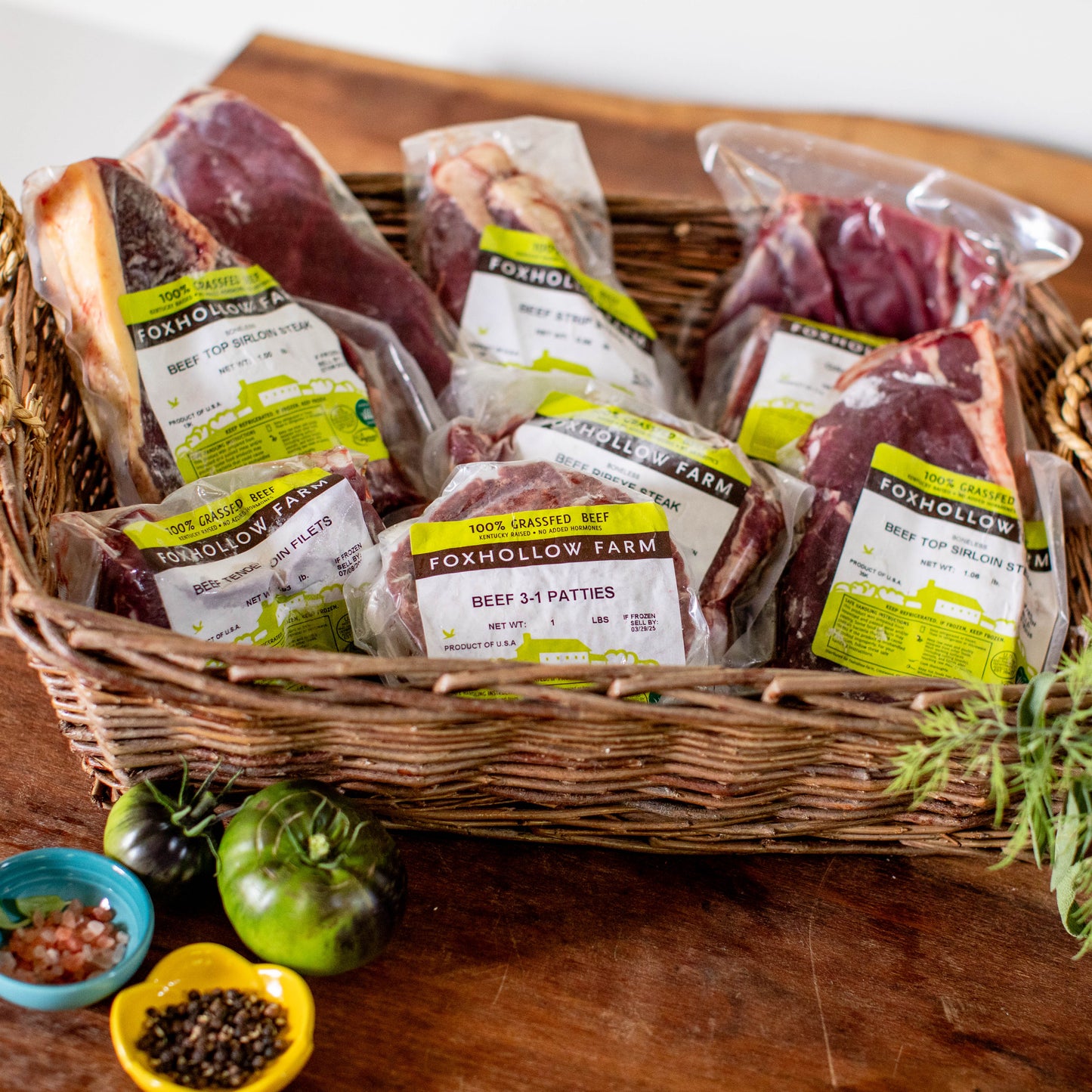
In 1930, a mosaic of agriculture surrounded the dairy at Foxhollow Farm. Tended by a tenant farming family of the 20th century, their land-management approach was a synergistic one: Small flocks of sheep, hogs and hens worked together to increase soil health, fed year round by nutrient-dense hay fields and a small plot of corn. An apple orchard, nut grove, and market garden supplied sustenance for the families toiling over the good work. A cut-flower garden gave vital nectar to the pollinators and beneficial insects that supported pest management. The feathered edges of the woodlands and valleys of wildflowers offered a beautiful sanctuary for the wildlife. And a 4-acre tobacco allotment provided the farmers an opportunity to make a good living.
When I picture my great aunt Margaret spending her days on the farm, I can almost see her in a cotton shirtwaist dress, the white collar buttoned to the top. When I conjure her in my mind, she is trekking across an open field just north of the manor house. I imagine that when she hears the harsh chatter of the Eastern Meadowlark in her ears it reminds her to protect the sacred woodland, waterways, and pastures of Foxhollow Farm. Alongside these images of holistic ecosystems and thriving ecologies, I can’t help but consider, too, the things Margaret could never see coming; that 50 years later, the fencing would come down, the animals would leave, and the very edges of the fields would be tilled to death. What once was a diverse landscape would be replaced with three crops: wheat, corn, and soy.
Great aunt Margaret’s niece and my grandmother, Mary, would take over the stewardship of Foxhollow Farm in the 1970s. She would watch firsthand as the Jersey dairy cows were loaded onto a trailer and taken away from the farm, and being stuck in the middle with a lack of options by 1985, Mary would sign a 20-year lease with a three-crop rotation tenant farmer. And eventually that same tenant-farming family would find themselves buried deep in debt, trying to get big or get out in a system meant for failure. Failure to the animals, the land, and the people of this countryside.
My memories of roaming the monocultured fields of the 1980s and 90s are faded, spending those days alongside my two older brothers. I would try to keep up as we played soccer in an open field behind our grandparents house, the soybean dust causing our bare calves to itch anytime we had to go fetch the ball. Only a handful of times do I recall seeing a farmer in those fields. If I did, he was in a tractor, looking weary and depleted just like the sand colored soil beneath my well-worn trainers. It did not appear to be the creative, purpose-driven career I imagined I would pursue one day.
My clearer memories of this farmland are mostly in the woodlands, where the spirit of the land was always present. Thankfully, the 500 acres of woods surrounding our farmland have been protected over the years by steep hills and my grandmother's devotion to forest bathing for the sake of a healthy mind, body, and spirit. This preservation allowed the inclinations of my lineage to persevere, for it has always been deep in my bones to steward this land.
The women stewarding this land before me shared a land-conserving vision, including the hunter-gatherer-gardener Adena people who were here long before the women I can call by name. I am honored to stand beside them to continue this sacred work.